














Beyond Boundaries: The Future of Green Hydrogen and the Road to a Carbon-Free Future
Future of Green Hydrogen and the Road to a Carbon-Free Future
In the dynamic landscape of renewable energy, green hydrogen stands out as a beacon of hope for a carbon-free future. This exclusive feature explores the evolving world of green hydrogen, delving into emerging technologies that promise to reshape the energy paradigm. As we embark on a journey towards sustainability, the future of green hydrogen unfolds, offering a roadmap to a cleaner and more resilient world.
- The Rise of Green Hydrogen: A Revolution in the Making
1.1 From Vision to Reality: The Green Hydrogen Revolution

Green hydrogen, produced through electrolysis using renewable energy, has rapidly transformed from a visionary concept to a tangible reality. As the world grapples with the urgency of decarbonization, green hydrogen emerges as a versatile and scalable solution with the potential to revolutionize various sectors.
Versatility Across Industries: Beyond Power Generation**
Green hydrogen’s versatility extends beyond power generation, making it a key player in the decarbonization of heavy industries, transportation, and more. As nations commit to ambitious climate goals, green hydrogen becomes a linchpin in the global pursuit of a carbon-free future.
A Global Energy Transition: Uniting Nations in Sustainability**
The global shift towards green hydrogen signifies a collective commitment to a sustainable future. Nations, industries, and communities are aligning their efforts to harness the power of hydrogen, recognizing its role in reducing carbon emissions and building a resilient energy infrastructure.
- Emerging Technologies in Green Hydrogen Production

2.1 High-Temperature Electrolysis: A Paradigm Shift
As green hydrogen production evolves, high-temperature electrolysis emerges as a transformative technology, offering increased efficiency and cost-effectiveness compared to traditional methods.
Boosting Efficiency: Unlocking Energy Savings**
High-temperature electrolysis operates at elevated temperatures, improving overall efficiency in hydrogen production. This advancement reduces energy input requirements, making green hydrogen more economically viable and accelerating its integration into mainstream energy systems.
Synergy with Industry Needs: Meeting High-Demand Applications**
Industries with high-temperature process requirements, such as steel and chemical manufacturing, stand to benefit significantly from high-temperature electrolysis. The technology aligns with industrial demands, providing a clean alternative to traditional fossil fuel-based processes.
2.2 Advanced Electrolyzer Technologies: Paving the Way for Scalability
In the quest for scalable green hydrogen production, advanced electrolyzer technologies emerge as pivotal components. Innovations in electrolyzer design and materials contribute to increased efficiency, durability, and scalability.
Proton Exchange Membrane (PEM) Electrolyzers: Compact and Efficient Solutions**
PEM electrolyzers, characterized by their compact size and high efficiency, offer a promising solution for decentralized green hydrogen production. These electrolyzers, suitable for various applications, contribute to the democratization of hydrogen production by enabling local and on-site generation.
Solid Oxide Electrolysis Cells (SOECs): Unlocking High-Temperature Potential
SOECs represent a breakthrough in high-temperature electrolysis. Operating at temperatures above 500 degrees Celsius, SOECs leverage heat to enhance the electrolysis process, resulting in improved efficiency and hydrogen production rates. This technology holds promise for large-scale industrial applications and grid-scale energy storage.
- Challenges and Opportunities in Green Hydrogen Scalability
3.1 Scaling up Electrolysis: Infrastructure and Investment
While emerging technologies enhance the efficiency of green hydrogen production, scaling up electrolysis presents both challenges and opportunities. Infrastructure development and substantial investments are crucial to realizing the full potential of green hydrogen on a global scale.
Electrolyzer Manufacturing: Ramping up Production Capacity**
Increasing the manufacturing capacity of electrolyzers is a pivotal challenge. Collaborative efforts between governments and private sectors are essential to fund research and development initiatives that focus on scaling up production while maintaining high-quality standards.
Hydrogen Infrastructure: Building the Green Hydrogen Ecosystem**
The establishment of a comprehensive hydrogen infrastructure, including production, transportation, and storage facilities, is essential for scalability. Governments and industry stakeholders must collaborate to create a robust ecosystem that supports the growing demand for green hydrogen.
3.2 Global Investment Initiatives: Catalysts for Green Hydrogen Expansion
As green hydrogen gains momentum, global investment initiatives become catalysts for its expansion. Governments, international organizations, and private investors are directing significant resources towards research, development, and large-scale projects to accelerate the transition to a hydrogen-based economy.
Government Incentives and Subsidies: Fostering Innovation**
Governments worldwide are implementing incentives and subsidies to encourage innovation and investment in green hydrogen. These financial measures stimulate the development of new technologies, promote the deployment of large-scale projects, and drive down the overall cost of green hydrogen.
Private Sector Partnerships: Collaboration for Success**
Private sector partnerships are pivotal in advancing green hydrogen technologies and ensuring their integration into existing energy systems. Collaborations between technology providers, energy companies, and investors create a synergistic approach that accelerates the commercialization and adoption of green hydrogen solutions.
- The Impact of Green Hydrogen on Global Energy Transition
4.1 Decarbonizing Transportation: A Hydrogen Highway
Green hydrogen’s impact on transportation is revolutionary, offering a clean and sustainable alternative for various modes of transit, from passenger vehicles to heavy-duty trucks and even maritime vessels.
Hydrogen-Powered Vehicles: Beyond the Roads**
The automotive industry is witnessing a surge in hydrogen-powered vehicles, with major manufacturers investing in fuel cell technology. Hydrogen fuel cells offer an attractive solution for long-range transportation, providing quick refueling and zero-emission operation.
Maritime Applications: Navigating the Seas Sustainably**
The maritime industry is turning to green hydrogen as a means of decarbonizing shipping operations. Hydrogen-powered vessels offer a cleaner and more sustainable solution for maritime transportation, reducing emissions and mitigating the environmental impact of shipping.
4.2 Industrial Decarbonization: Revolutionizing Processes
Green hydrogen plays a pivotal role in the decarbonization of industries with high-temperature process requirements, such as steel, cement, and chemical manufacturing.
Steel Production: Hydrogen as a Clean Reductant**
The steel industry, a major contributor to global carbon emissions, is exploring green hydrogen as a clean reductant in the steelmaking process. Hydrogen replaces traditional fossil fuels, reducing carbon emissions and fostering a more sustainable steel production cycle.
Chemical Manufacturing: Green Hydrogen as a Feedstock**
Chemical manufacturers are increasingly using green hydrogen as a feedstock, replacing fossil fuels in various processes. This shift contributes to the reduction of carbon emissions and aligns with industry goals for sustainable and eco-friendly production.
- Green Hydrogen Integration with Renewable Energy Sources
5.1 Hybrid Energy Systems: Maximizing Synergies
Green hydrogen’s integration with other renewable energy sources, such as solar and wind, creates hybrid energy systems that maximize synergies and enhance the overall efficiency of the energy transition.
Solar and Wind Integration: A Complementary Alliance**
Solar and wind energy, while abundant, face intermittency challenges. Green hydrogen acts as a complementary solution by storing excess energy during peak production periods and releasing it during periods of low renewable energy availability, creating a more stable and reliable energy supply.
Hydrogen Storage for Grid Stability: Balancing Energy Fluctuations**
Green hydrogen’s role in energy storage becomes instrumental in maintaining grid stability. Excess electricity generated during peak renewable energy production can be converted into hydrogen, stored, and utilized when demand exceeds supply, smoothing out energy fluctuations and ensuring a reliable power supply.
5.2 Smart Grids: Facilitating Renewable Integration
The development of smart grids, enabled by digital technologies, plays a vital role in facilitating the integration of green hydrogen with renewable energy sources.
Grid Flexibility: Adapting to Variable Energy Inputs**
Smart grids enhance grid flexibility, adapting to the variable energy inputs from renewable sources. The integration of green hydrogen into smart grids allows for dynamic management of energy supply and demand, optimizing the use of renewable energy and minimizing waste.
Decentralized Energy Production: Empowering Local Communities**
Green hydrogen’s integration with smart grids supports decentralized energy production. Local communities can become active participants in the energy transition, producing, storing, and utilizing green hydrogen locally, contributing to energy resilience and sustainability.
- The Road Ahead: A Global Hydrogen Economy
6.1 International Collaboration: Bridging Nations Through Hydrogen
The road to a carbon-free future involves unprecedented international collaboration, with nations working together to create a global hydrogen economy.
International Hydrogen Trade: An Economic and Diplomatic Opportunity**
The establishment of international hydrogen trade creates economic and diplomatic opportunities for participating nations. Hydrogen-exporting countries can strengthen diplomatic ties and foster economic collaboration with hydrogen-importing nations, creating a new paradigm of global cooperation.
Hydrogen Alliances: Building Strategic Partnerships**
Hydrogen alliances, formed by nations with shared interests and goals, become instrumental in building strategic partnerships. These alliances facilitate the exchange of knowledge, technologies, and resources, accelerating the global adoption of green hydrogen.
6.2 Research and Innovation: The Driving Forces of Change
Continued research and innovation are the driving forces that will propel green hydrogen to the forefront of the global energy landscape.
Investments in R&D: Paving the Way for Breakthroughs**
Governments, private sectors, and international organizations must continue to invest in research and development initiatives. These investments pave the way for breakthroughs in green hydrogen technologies, making them more efficient, affordable, and accessible to a broader range of industries.
Technological Breakthroughs: Shaping the Future of Hydrogen**
Technological breakthroughs, such as advancements in catalyst materials, electrolysis efficiency, and storage technologies, will shape the future of hydrogen. These breakthroughs have the potential to address existing challenges and open new possibilities for the widespread adoption of green hydrogen.
- Conclusion: Green Hydrogen and the Promise of Tomorrow
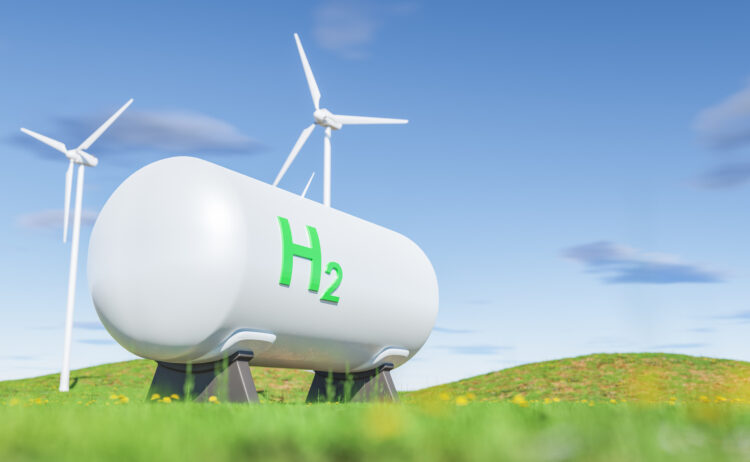
As we navigate the road to a carbon-free future, green hydrogen emerges as a transformative force, reshaping the energy landscape and offering solutions to some of the most pressing challenges of our time. The fusion of emerging technologies, scalable production methods, and international collaboration paints a promising picture of a world powered by clean and sustainable energy.
The future of green hydrogen is not merely a vision; it is a tangible roadmap to a carbon-free tomorrow. From powering industries and transportation to integrating with renewable energy sources, green hydrogen is poised to play a central role in the global energy transition. As nations and industries join forces in the pursuit of sustainability, the journey towards a cleaner, more resilient, and interconnected world becomes a shared endeavor—one where green hydrogen lights the way to a brighter and greener future for generations to come.
Previous Article

Written by
Ajay Kuriakose Jacobs
Green Hydrogen
February 17, 2024
© Copyright 2026 Ajay Kuriakose Jacobs All Rights Reserved.
Archive
Frequently Read Topics


