












Mastering the Art of Turkey Coop Construction: Essential Tips for Success
Mastering the Art of Turkey Coop Construction: Essential Tips for Success
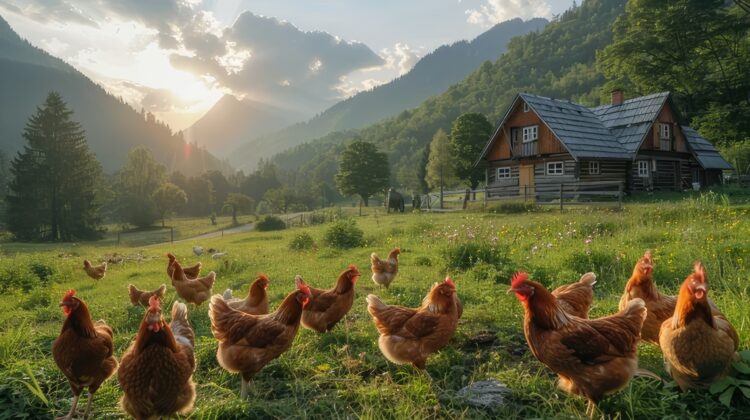
Building a turkey coop is a crucial step in establishing a successful poultry farming operation. A well-designed and properly constructed coop provides turkeys with a safe, comfortable, and conducive environment for growth, reproduction, and overall well-being. In this comprehensive guide, we’ll explore essential tips and considerations for building a turkey coop that meets the needs of both farmers and their feathered friends.
- Assess Your Space and Resources:
Before diving into coop construction, take time to assess your available space, resources, and infrastructure. Consider factors such as:
- Available land area: Determine the size and layout of your coop based on the available space on your farm. Ensure there is enough room for both the coop structure and outdoor run or range area for the turkeys to roam and forage.
- Terrain and topography: Choose a suitable location for your coop that is level, well-drained, and protected from extreme weather conditions. Avoid low-lying areas prone to flooding or areas with poor drainage.
- Access to utilities: Ensure access to utilities such as water, electricity, and ventilation for the coop. Consider installing lighting, heating, and cooling systems as needed to provide a comfortable environment for the turkeys.
2.Design Your Coop for Turkey-Specific Needs:
When designing your turkey coop, consider the unique needs and behaviors of turkeys:
- Space requirements: Provide ample space for turkeys to move around, roost, and nest comfortably. Aim for a minimum of 10 square feet of indoor space per adult turkey, with additional space for nesting boxes, feeders, and waterers.
- Roosting areas: Install sturdy roosting poles or platforms for turkeys to perch on at night. Turkeys prefer to roost off the ground to feel safe and secure.
- Nesting boxes: Include nesting boxes or areas with ample bedding material for turkeys to lay their eggs. Ensure nesting boxes are located in a quiet, dark, and secluded area to encourage egg laying.
- Ventilation: Provide adequate ventilation to maintain good air quality and prevent moisture buildup inside the coop. Install windows, vents, or fans to promote airflow and reduce the risk of respiratory issues.
- Predator protection: Implement measures to protect turkeys from predators such as raccoons, foxes, and birds of prey. Use sturdy fencing, hardware cloth, or electric fencing to secure the coop perimeter and prevent unauthorized access.
- Flooring: Choose flooring materials that are easy to clean, disinfect, and maintain. Concrete, gravel, or packed dirt floors are durable options that help prevent the buildup of moisture and pathogens.
3.Use High-Quality Materials and Construction Techniques:
Invest in high-quality materials and construction techniques to ensure the durability, safety, and longevity of your turkey coop:
- Frame: Build a sturdy frame using pressure-treated lumber, metal posts, or welded wire panels. Ensure the frame is level, square, and securely anchored to the ground to withstand harsh weather conditions and prevent collapse.
- Walls and roof: Use durable siding materials such as plywood, metal panels, or fiberglass reinforced plastic (FRP) to construct the walls and roof of the coop. Ensure the roof is pitched to allow for proper drainage and prevent water pooling.
- Insulation: Consider insulating the walls and roof of the coop to regulate temperature and humidity levels. Insulation helps keep turkeys warm in winter and cool in summer, reducing the risk of heat stress and cold exposure.
- Flooring: Choose flooring materials that are non-toxic, non-slip, and easy to clean. Consider installing a removable litter tray or droppings board beneath roosting areas to facilitate cleaning and waste management.
- Doors and windows: Install sturdy doors and windows with secure latches and locks to control access to the coop and provide natural light and ventilation. Consider adding predator-proof mesh screens or bars to windows for added security.
4.Consider Environmental Factors:
Take into account environmental factors such as climate, weather, and seasonal changes when designing and building your turkey coop:
- Insulation: Insulate the walls and roof of the coop to provide thermal protection and maintain a comfortable temperature year-round. Use insulation materials such as foam board, fiberglass batts, or spray foam to reduce heat loss in winter and heat gain in summer.
- Ventilation: Ensure adequate ventilation to prevent heat buildup, humidity, and ammonia levels inside the coop. Install windows, vents, or exhaust fans to promote airflow and remove stale air, moisture, and odors.
- Heating and cooling: Consider installing heating and cooling systems to regulate temperature and humidity levels inside the coop. Use space heaters, radiant heat panels, or heat lamps in winter to keep turkeys warm, and fans or misters in summer to cool them down.
- Natural light: Maximize natural light exposure inside the coop by orienting windows and doors to the south or east. Natural light provides essential vitamins and promotes healthy growth, behavior, and egg production in turkeys.
Conclusion:
Building a turkey coop requires careful planning, attention to detail, and a thorough understanding of turkey-specific needs and environmental factors. By assessing your space and resources, designing for turkey-specific needs, using high-quality materials and construction techniques, and considering environmental factors, you can create a safe, comfortable, and functional living environment for your turkeys. A well-built coop not only protects turkeys from predators, weather, and disease but also promotes their health, well-being, and productivity. With the right approach and investment, your turkey coop can serve as the foundation for a successful and sustainable poultry farming operation.

Written by
Ajay Kuriakose Jacobs
Turkey Farming
August 5, 2024
© Copyright 2026 Ajay Kuriakose Jacobs All Rights Reserved.
Archive
Frequently Read Topics


